

In a small coastal village of Watuputih, tucked away in Southeast Sulawesi, a young man named La Ode Mursalim has found an extraordinary way to bridge the gap between tradition and technology. While many of his peers chase urban dreams in big cities, Mursalim chose to return home — driven by something far deeper than ambition: a calling to protect his culture’s language from extinction.
With nothing but a laptop, a deep love for his heritage, and a determination that refused to fade, Mursalim built the Tolaki Language Dictionary App — an Android-based digital dictionary that allows users to learn and translate Bahasa Tolaki, one of Indonesia’s indigenous languages.
His dream was simple yet profound: to ensure that future generations would still be able to speak the words of their ancestors — and to show that preserving culture can go hand in hand with economic progress.
A language on the brink of silence
Languages are more than words; they are vessels of identity, history, and wisdom. But what happens when no one speaks them anymore?
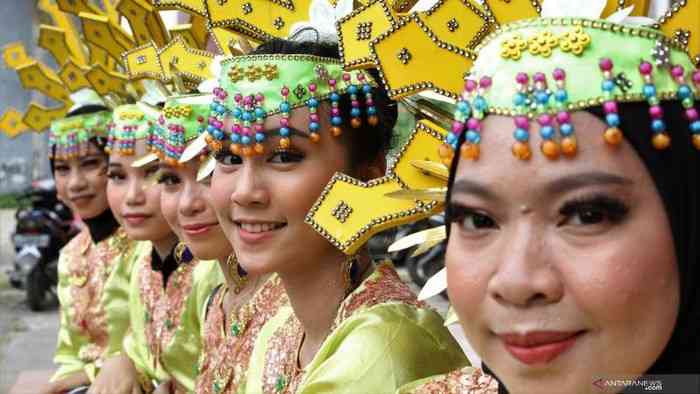
According to UNESCO, Indonesia has over 718 regional languages, but 25 of them are now considered endangered. In many communities, only the elderly still use their mother tongues, while younger generations have shifted entirely to Bahasa Indonesia or even English.
Languages like Sangihe Talaud, Konjo, Bajau Tungkai Satu, Lematang, Minahasa, and Gorontalo (Suwawa dialect) are now at risk of disappearing forever. Once a language dies, it takes with it the stories, songs, and philosophies of a people — fragments of culture that can never be replaced.
Mursalim saw this happening with Bahasa Tolaki, the language of the Tolaki tribe in Kendari, the capital of Southeast Sulawesi. The language that once echoed across markets, classrooms, and homes was slowly fading. Children could no longer understand the proverbs their grandparents used to say.
And that realization hit him hard. “If our language disappears, our identity will disappear with it,” he said quietly. “That’s why I decided to do something — no matter how small.”
Turning passion into a digital lifeline
At first, Mursalim didn’t have a clear plan. All he knew was that he wanted to keep Tolaki alive and he wanted to do it in a way that young people would care about. When he was a college student at Unissula Semarang, the idea sparked. Knowing that today’s generation lives in the digital world, so why not bring the Tolaki language there?

Working alone in his modest home, he began developing an Android application — something that could serve as a digital kamus (dictionary). He gathered word lists from the Kamus Besar Bahasa Tolaki–Indonesia, a rare and out-of-print book that he had to search for across old libraries and community elders’ homes. Some even shared handwritten notes passed down through families.
“It was like piecing together a puzzle,” Mursalim recalled with a smile. “Every word I found felt like recovering a piece of our soul.”
The app was built using Java programming language and later integrated with Google Speech API, allowing users to convert voice into text. This feature made it interactive and fun, especially for young learners who were more used to speaking than typing.
A tool for culture and for the economy
When Mursalim finally released the Tolaki Dictionary App on the Google Play Store, he didn’t expect much. It wasn’t flashy or commercial. But within weeks, messages started coming in — from students, teachers, and even travelers who wanted to connect with Tolaki speakers in Kendari.
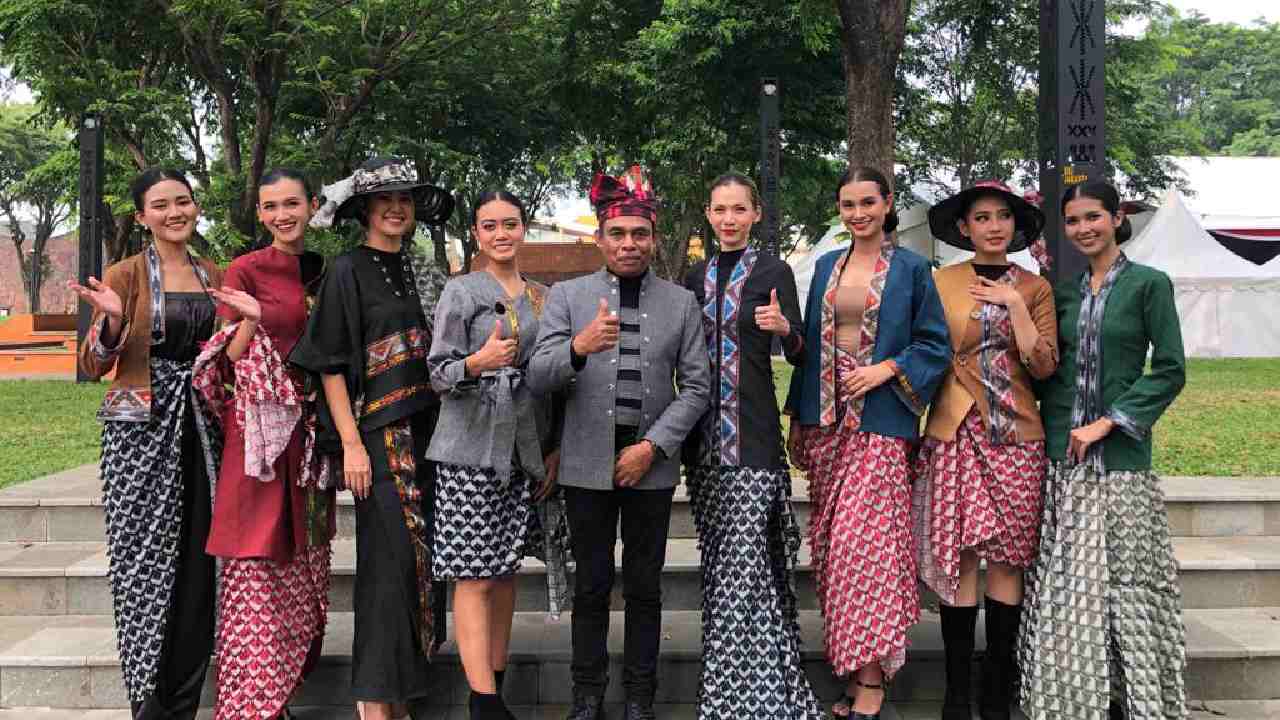
The app quickly became more than just a language tool. It turned into a cultural bridge.
Foreign tourists visiting Kendari used it to communicate with locals. University students used it to study linguistics and local wisdom. Even small business owners selling Tolaki woven cloth and traditional crafts found that it helped them interact better with customers — boosting local tourism and economy.
In short, what began as a cultural preservation effort started driving real economic impact.
“When people understand our language, they also begin to value our culture,” Mursalim explained. “That’s when local products, art, and tourism can truly grow.”
Challenges to change
Of course, Mursalim’s journey was far from easy. Funding was limited, data was scarce, and promoting a local-language app wasn’t exactly something tech investors lined up for.
He faced technical setbacks, software bugs, and sometimes, skepticism from people who didn’t quite understand why preserving a local language mattered. Some said it was a waste of time — that everyone should just speak Bahasa Indonesia or English.
But Mursalim stayed firm. For him, the Tolaki language was not just a means of communication — it was an anchor of identity.
“Languages carry the worldview of a people,” he said. “Losing a language means losing a way of thinking, a way of feeling, a way of seeing the world.”
Even after the app was temporarily removed from Google Play Store for technical reasons, Mursalim kept working to improve it. He continued updating its database and shared it directly with schools and community groups instead.
The Tolaki community itself began to rally behind him. Elders offered to help verify words. Teachers used the app in classrooms. Slowly but surely, the language that was once fading began to regain its voice.
Recognition and inspiration
In 2018, Mursalim’s dedication caught the attention of PT Astra International, Tbk which awarded him the SATU Indonesia Awards in the Technology category — an honor given to young Indonesians making a tangible difference in their communities.
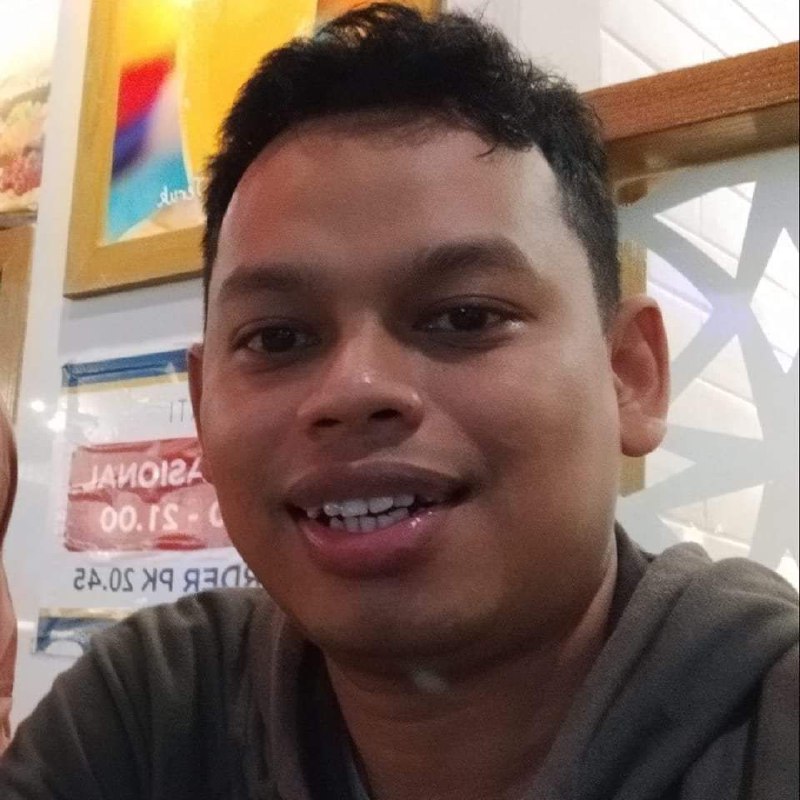
The award became more than just recognition; it gave him the motivation — and platform — to expand his mission. Since then, he has received requests from other ethnic groups, including those in Buton, to create similar applications for their local languages.
“It’s not just about one app,” Mursalim said. “It’s about proving that technology can protect culture — not erase it.”
He dreams of developing a version that can translate full sentences, not just single words. His long-term goal? To build a digital archive of Indonesia’s regional languages, so that every child — no matter where they live — can access the beauty of their native tongue right from their phone.
A movement rooted in identity
Mursalim’s journey is part of a larger wave of awareness across Indonesia — a country where diversity is its strength, but also its challenge. The Ministry of Education and Culture (Kemendikbudristek) has been running the Revitalisasi Bahasa Daerah program, encouraging teachers, artists, and community leaders to revive endangered languages through creative teaching and cultural events.
But while institutional programs are vital, grassroots innovators like Mursalim bring the heart into the mission. They remind us that preserving culture is not only about nostalgia — it’s about building a sustainable identity for the future.
For Mursalim, technology is simply the tool. What truly drives him is the belief that every culture, no matter how small, deserves to be seen, heard, and spoken.
Keeping the flame alive
When asked why he keeps going despite the difficulties, Mursalim smiled.
“Because I don’t want my children — or anyone’s children — to grow up not knowing who they are,” he said. “Our languages are our roots. If we lose them, we lose ourselves.”
His story is a reminder that real change often begins quietly — with one person, one idea, one act of love for their culture. And sometimes, those small acts ripple outwards, inspiring others to take part in the same mission.

La Ode Mursalim’s journey shows that innovation doesn’t always mean creating something new. Sometimes, it means preserving something old in a new way — turning the whispers of tradition into a living, breathing inspiration for generations to come.
In the end, his story isn’t just about saving a language. It’s about keeping the soul of a people alive — one word, one click, and one heart at a time. This is also a story of hope that we can contribute as long as we are willing to take action, using our skills and the abundant local potential around us.
#APA2025-PLM
 blog belalang cerewet